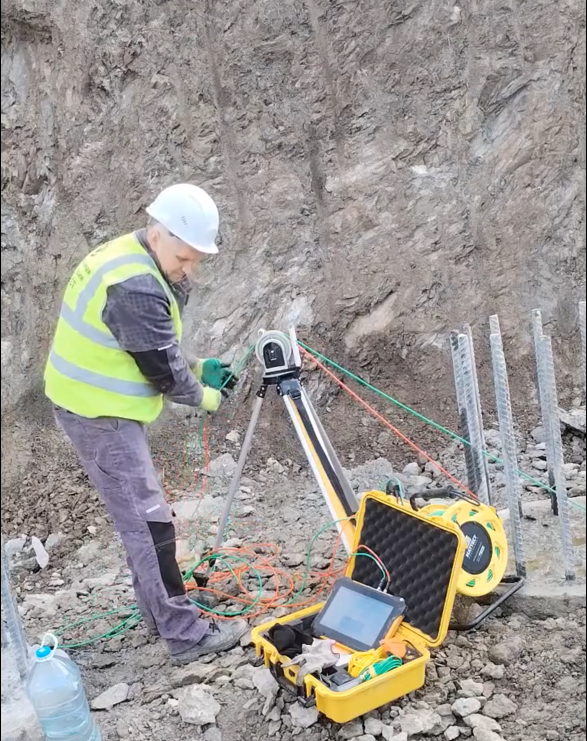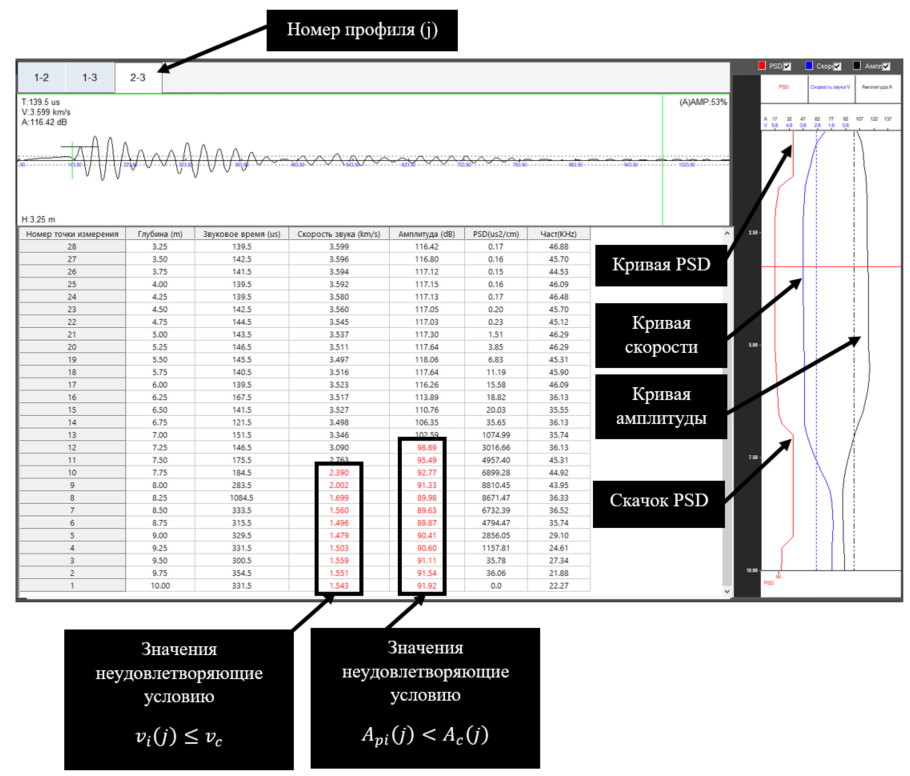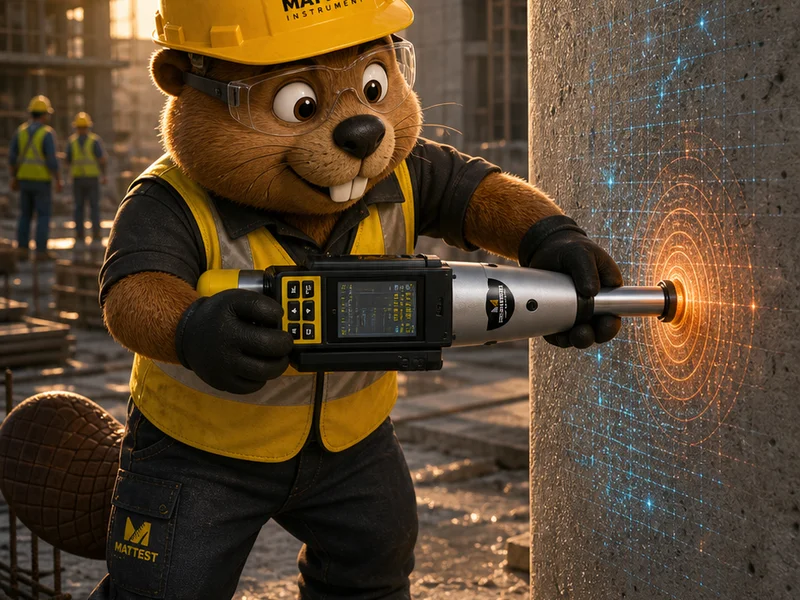

Early 20th century: hammer, chisel, revolver
In the early 20th century, at the dawn of concrete and reinforced-concrete construction, strength was assessed using indirect "techniques":
- The tapping method assessed concrete strength "by ear" and "by eye" based on the sound produced and the mark left by a hammer blow;
- The scratching method was used when strength was estimated by the depth of the scratch left by a chisel or nail;
- The gunshot method estimated concrete strength based on the size and volume of the crater formed by a revolver shot.
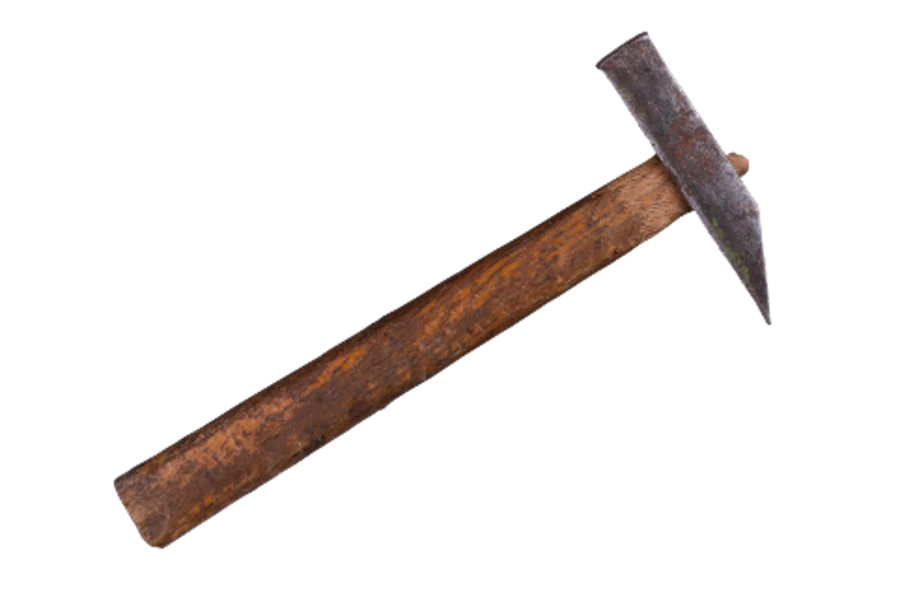
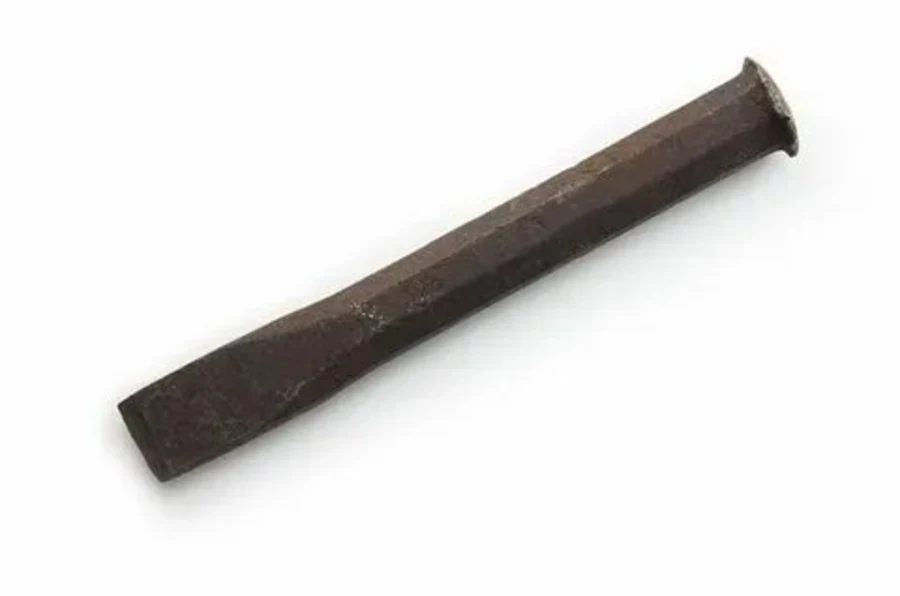

These methods have long since faded into history, but experienced lab engineers still don't miss the chance to tap a hammer or at least scratch a structure with a nail before laboratory testing.
1930s–1940s: the scientific approach. Gaede, Skramtaev, Wolf
In the 1930s–1940s, a scientific approach to strength assessment began to emerge.
- The Gaede method was an adaptation of the metallurgical Brinell method, in which the hardness of metal was judged by the depth and size of the indentation left by pressing a steel ball into the material. Similarly, in this method, concrete strength was inferred from the hardness of the surface layer.
- The I.V. Skramtaev method was based on shooting at the concrete surface. Concrete strength was judged by the size or character of the damage caused by a bullet or other projectile.
- The Wolf method was the prototype of modern anchor pullout testing. This revolutionary method for its time employed direct mechanical action on the concrete. It was based on the correlation between compressive strength and the force required to pull a rod out of the concrete body. In practice, metal anchors were installed in the structure before concreting, and after the concrete had hardened they were pulled out; the pullout force served as the measure of the concrete's strength.
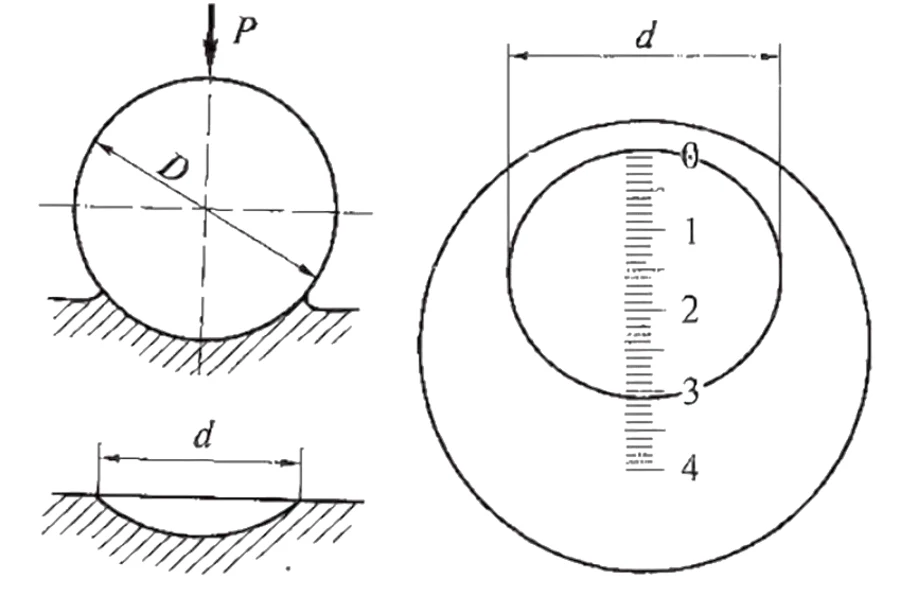
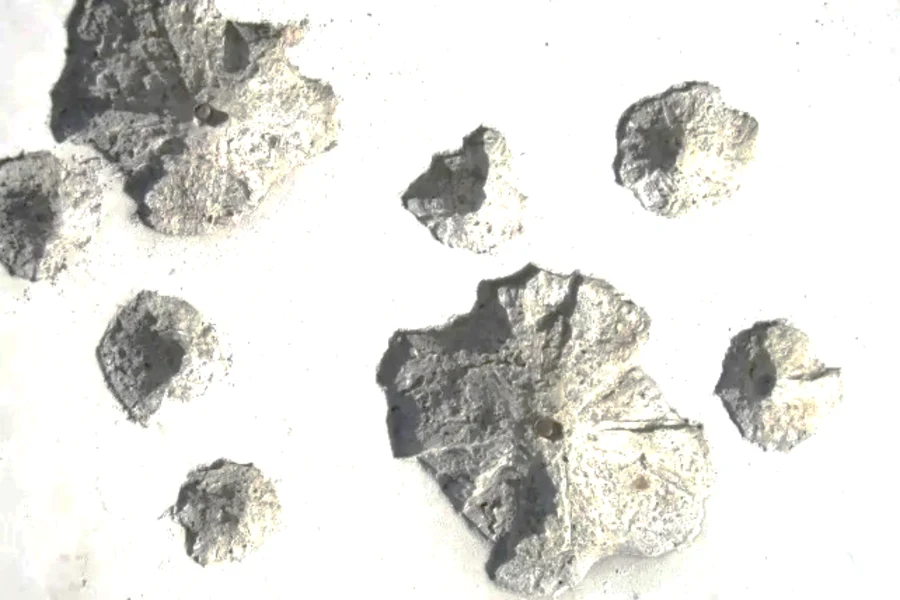
It is worth noting that the Gaede and I.V. Skramtaev methods had extremely low measurement accuracy due to the heterogeneous structure of concrete, which contains coarse aggregate. As with today's "low-energy" rebound hammers, the result depended on whether the striker ball hit the aggregate or the cement–mortar matrix.
1950s–1980s: the era of GOST 22690 standardization
The 1950s–1980s marked the era of standardization and the appearance of instruments familiar today. In 1977 the first GOST 22690.0-77 was published, and in 1988 the landmark GOST 22690-88 was issued, unifying the main mechanical non-destructive testing methods:
- Pull-off with breaking-off method: a direct non-destructive method for determining concrete strength based on measuring the force required to pull out a special anchor from the concrete;
- Edge shear-off method: also a direct non-destructive method, based on measuring the force required to shear off a piece from the edge of a structure;
- Plastic deformation method: strength estimation from the size of an imprint on the concrete surface;
- Impact pulse method: strength estimation based on the elastic-plastic deformation of the concrete surface at the moment of striker impact;
- Elastic rebound method: measurement of concrete strength from the rebound height of the striker of a Schmidt hammer.
The elastic rebound method using the Schmidt hammer has deservedly seen the greatest development, being the most convenient, simple, and highly reliable testing method.
The modern era: a comprehensive approach and GOST 22690-2015
In the current stage of development (since the 1990s), methodologies have been continually refined; in 2015 the new GOST 22690-2015 was adopted, replacing the Soviet standard. Today laboratories use a comprehensive approach to determining concrete strength — testing must always combine direct and indirect methods, typically the pull-off with breaking-off method together with the impact pulse method, the elastic rebound method (Schmidt hammer), or the ultrasonic method. This comprehensive approach to assessing the strength of concrete in building structures is required by GOST 22690-2015 and ensures highly reliable test results.
When performing non-destructive testing, both the accuracy of the results and the speed and convenience of testing matter. The long-standing experience of the MATTEST laboratory in using non-destructive testing instruments has shown that the most reliable results with minimum labor effort are achieved by combining "pull-off with breaking-off" and "elastic rebound" (Schmidt hammer) methods.
Schmidt hammer → MIT STRIKE 225-1: the digital successor
Back in 1948, Ernst O. Schmidt created the first practical instrument for non-destructive concrete testing. Serial production of Schmidt hammers ramped up in the 1950s. In the 1990s, Schmidt-type instruments transitioned from analog to digital technologies.
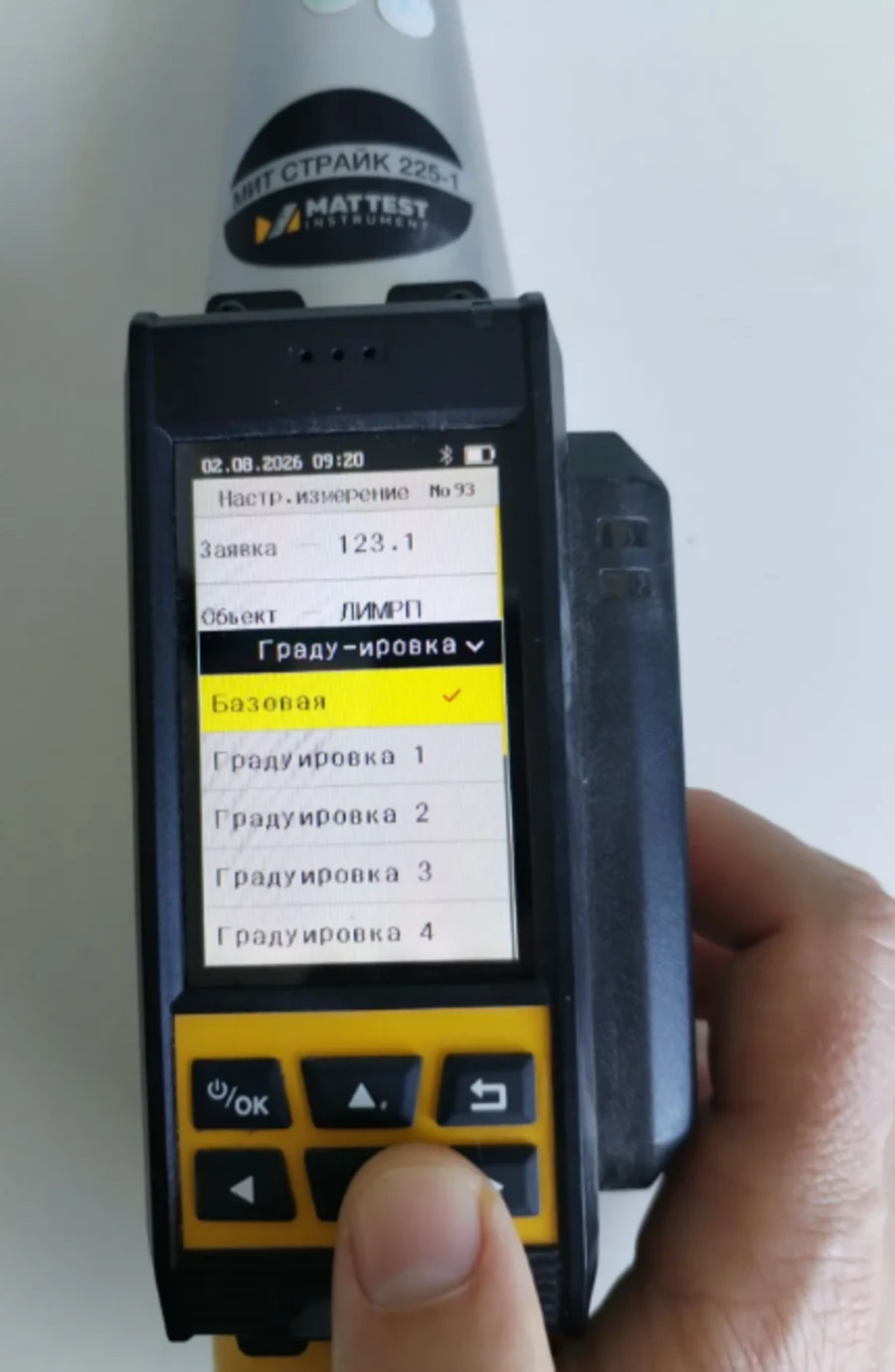
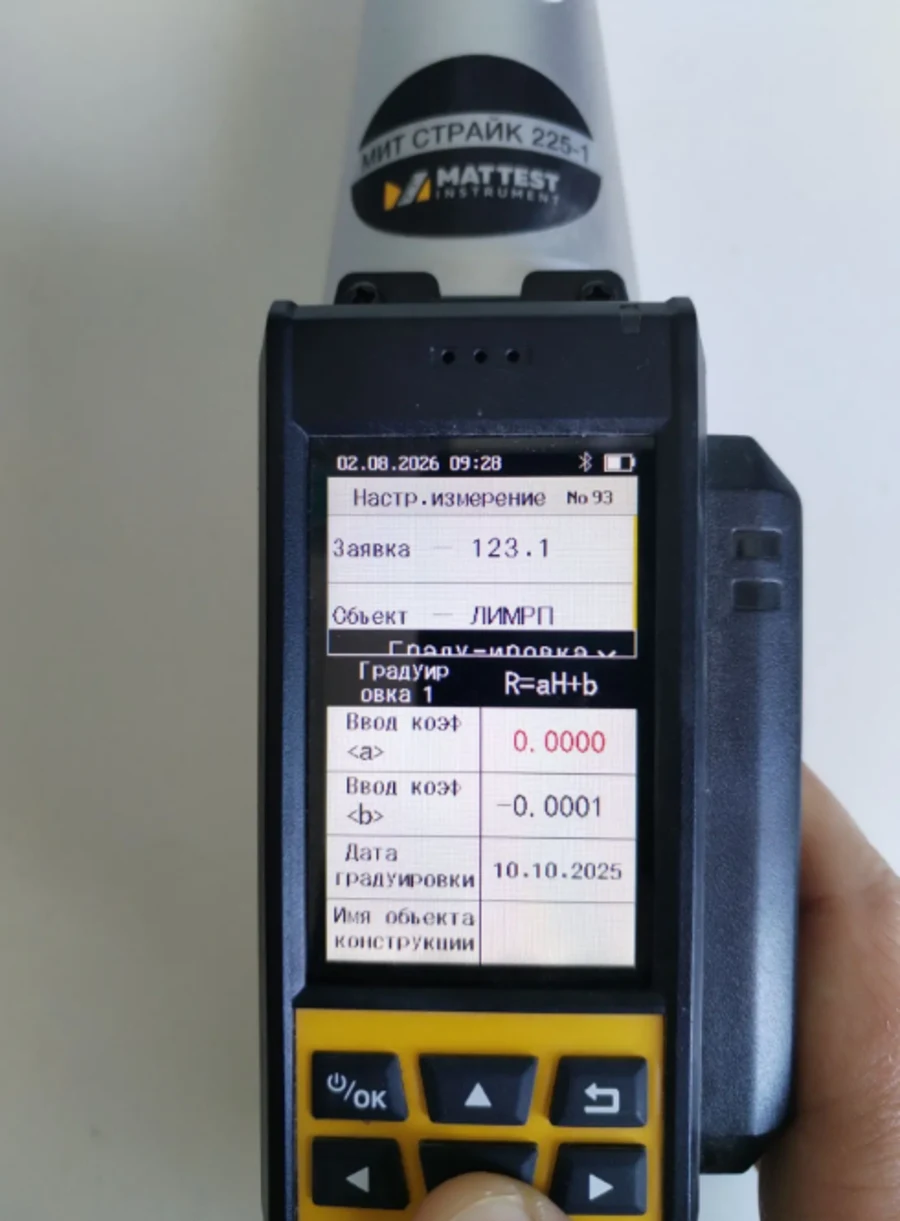
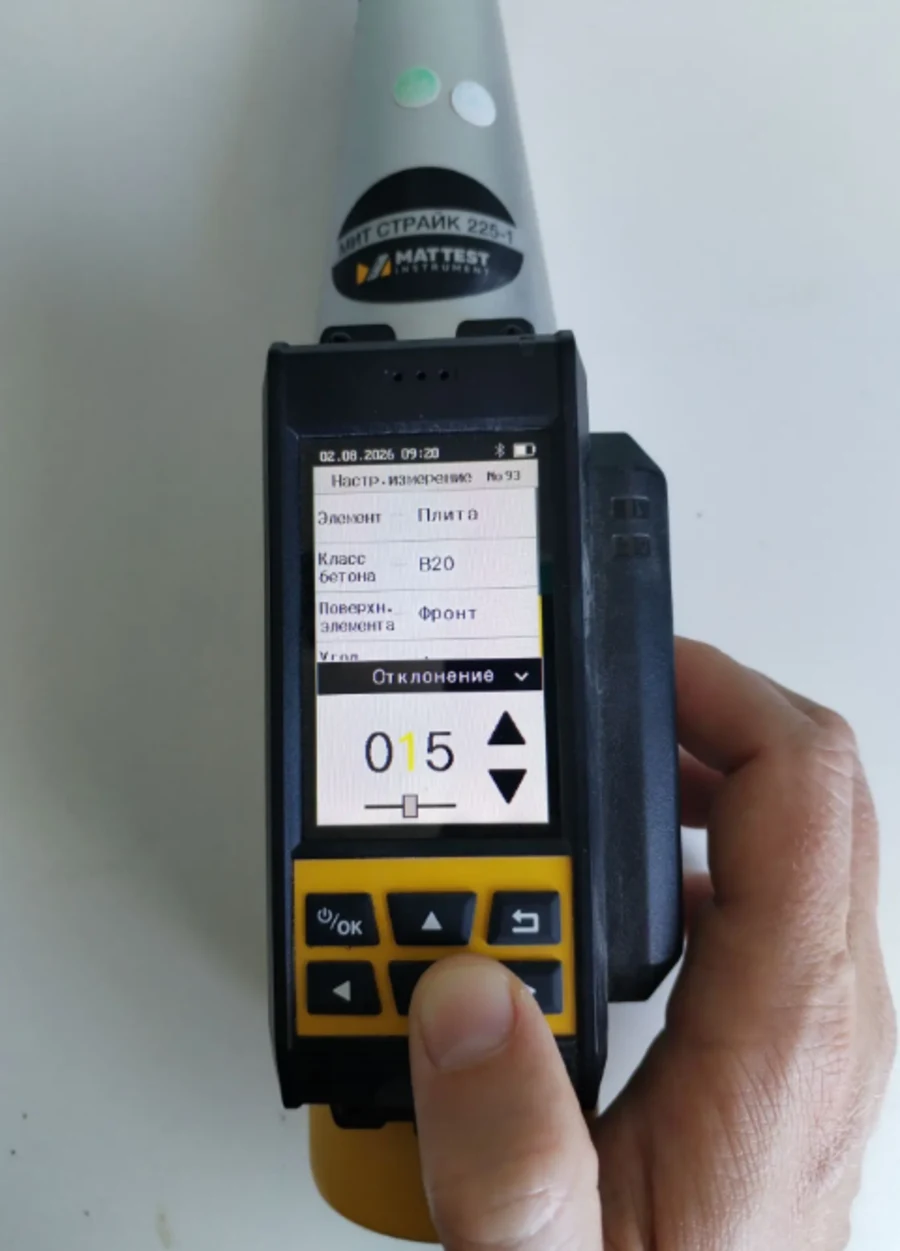
In the 2020s, the Schmidt hammer has become the MIT STRIKE 225-1 — a modern digital instrument, essentially a mini-laboratory in a single lightweight, convenient device. It records not only the rebound values of the striker but also converts them into concrete strength (in MPa) using a high-precision calibration curve.
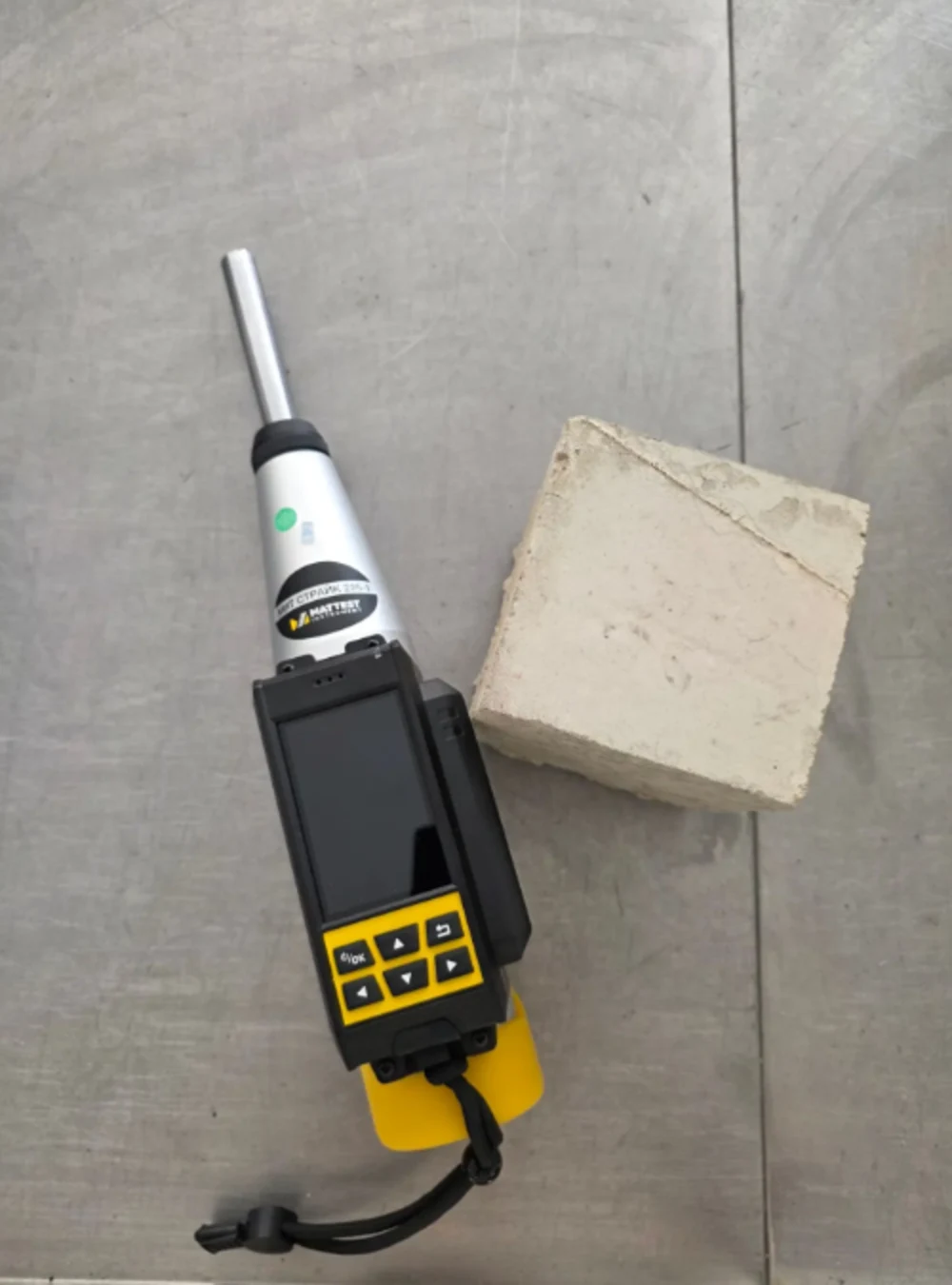
The MIT STRIKE 225-1 has been designed in accordance with the requirements of GOST 22690-2015, so it can meet all standard requirements when performing calibration or establishing a calibration curve.
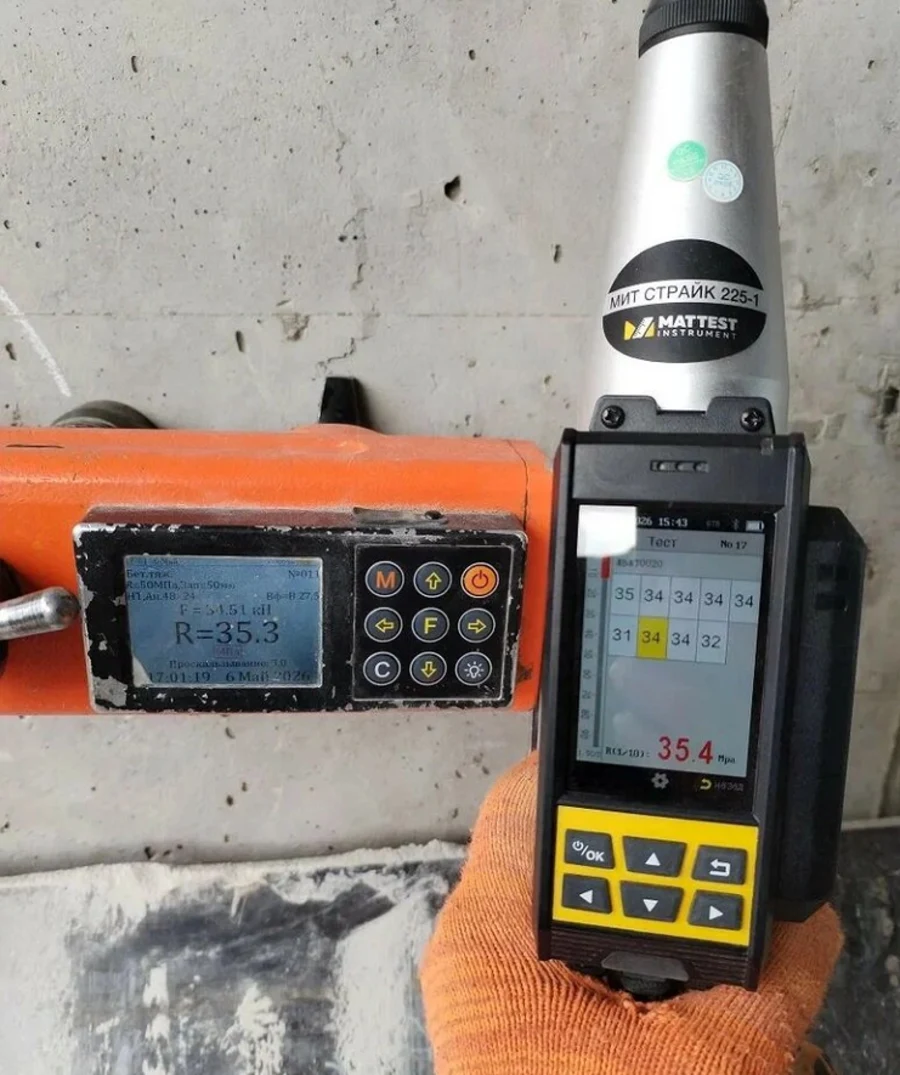
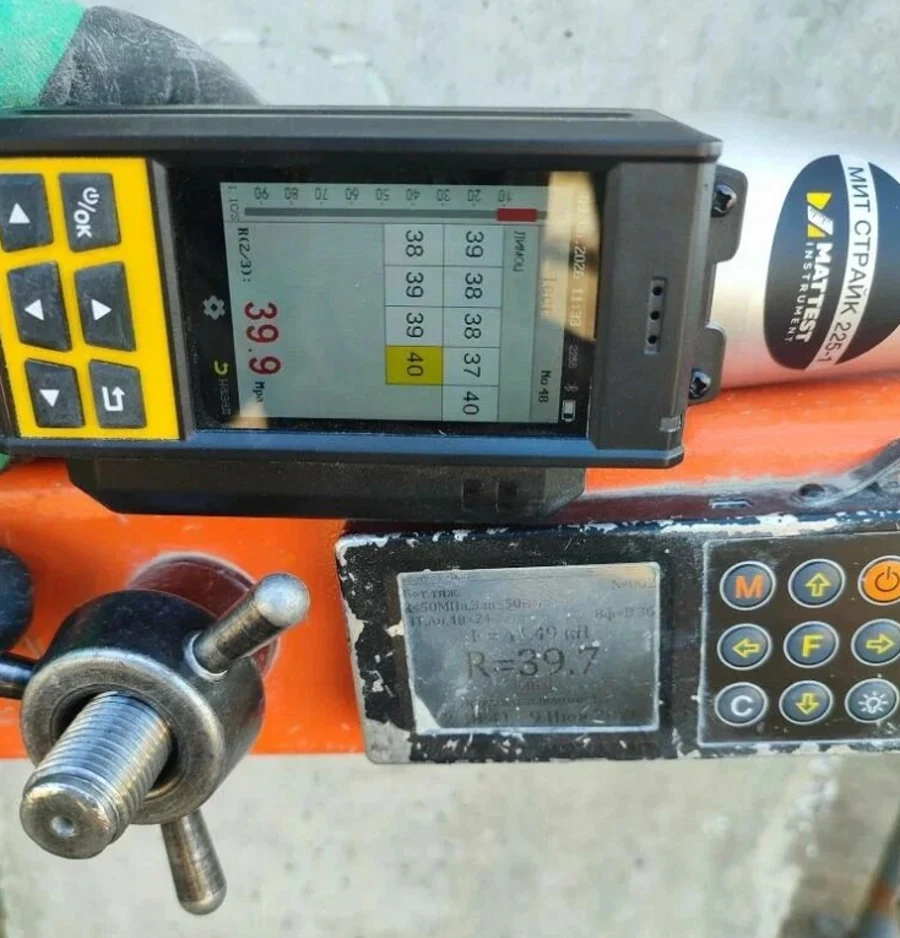
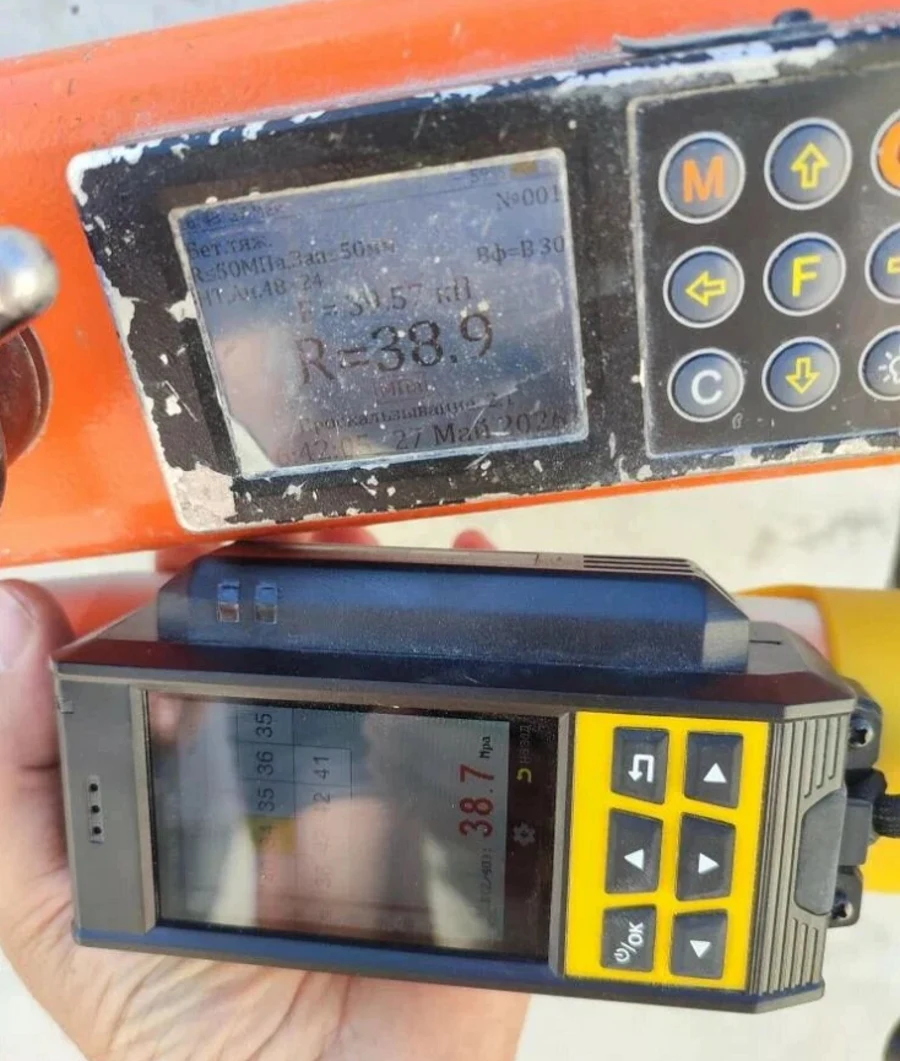
Technical features of the MIT STRIKE 225-1
Unlike instruments based on the impact pulse method, the MIT STRIKE 225-1 has a nominal impact energy of 2,207 J, which engages a significant depth of the concrete cover. As a result, the scatter of individual readings on the MIT STRIKE 225-1 is small, eliminating the need for numerous repeated measurements at the same test area.
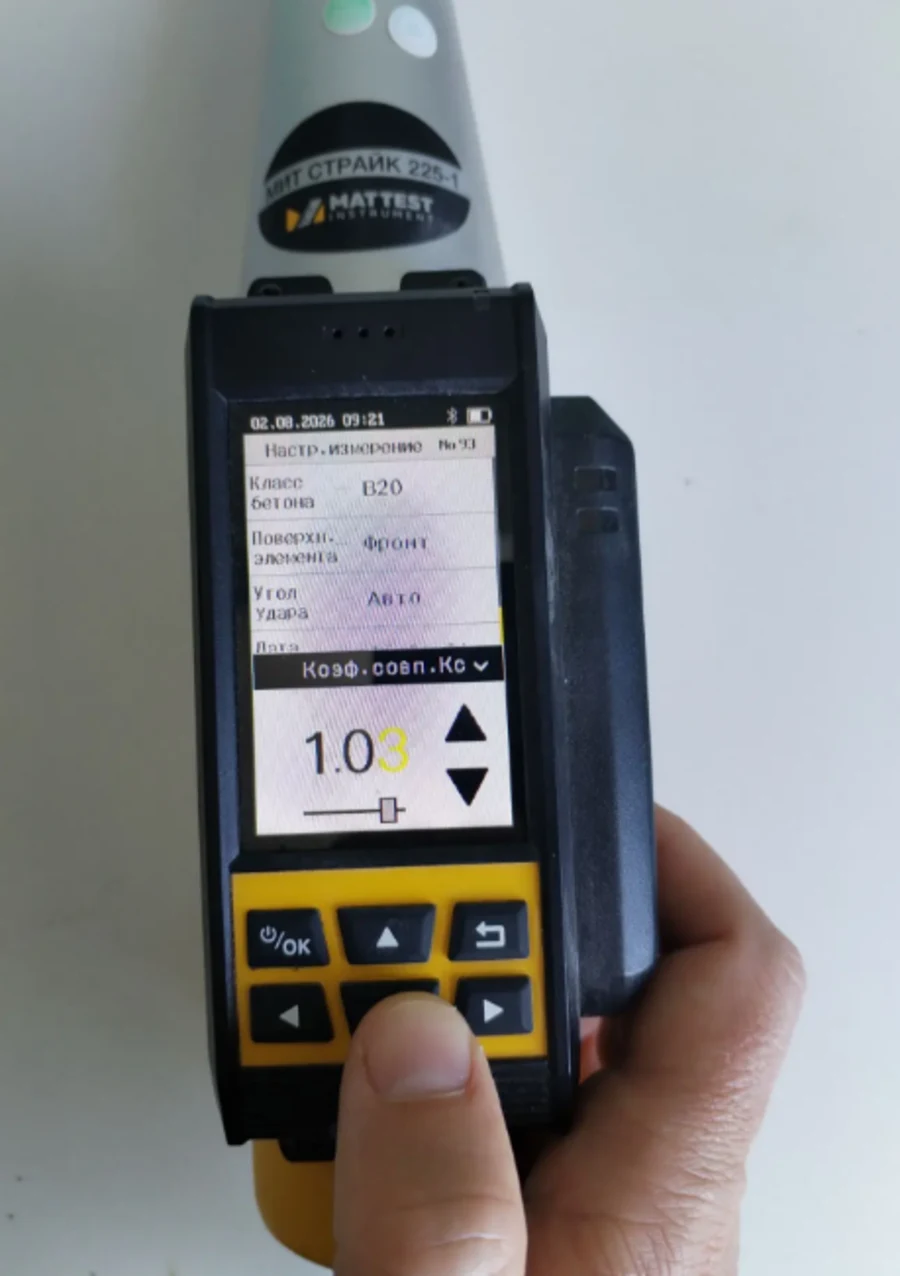
Compliance with international standards
The MIT STRIKE 225-1 is an instrument that embodies the historical experience of non-destructive testing equipment — a modern, high-precision, convenient tool that meets all the requirements of GOST 22690-2015, GB/T 9138-2015 and EN 12504-2:2021.
Order the MIT STRIKE 225-1
Digital rebound hammer per GOST 22690-2015. Impact energy 2,207 J, automatic conversion to MPa, support for the Ks coefficient.
Frequently asked questions
Which standard regulates mechanical concrete strength testing methods in Russia?
The current GOST 22690-2015, which replaced GOST 22690-88.
What is the advantage of the MIT STRIKE 225-1?
The nominal impact energy of 2,207 J (compared to ~0.7 J for low-energy instruments) covers a significant depth of concrete cover. The scatter of individual values is minimal — repeated measurements are not required.
What is the matching coefficient Ks?
Ks is a calibration coefficient linking MIT STRIKE 225-1 readings to the direct pull-off with breaking-off method. Values close to 1 (0,995–1,005) indicate high convergence between the methods.
Which international standards does the MIT STRIKE 225-1 comply with?
GOST 22690-2015 (Russia), GB/T 9138-2015 (China) and EN 12504-2:2021 (Europe) — the instrument is universal for laboratories worldwide.
Why is a comprehensive approach used today for concrete testing?
A combination of direct methods (pull-off with breaking-off) and indirect methods (elastic rebound with a Schmidt hammer, ultrasound) delivers reliable results with minimal labor — a recommendation of GOST 22690-2015.
References
- GOST 22690-2015. Concretes. Determination of strength by mechanical methods of non-destructive testing.
- GOST 22690-88. Concretes. Determination of strength by mechanical methods of non-destructive testing.
- GOST 22690.0-77. Heavyweight concrete. Methods for non-destructive strength determination using mechanical-action instruments.
- Topchiy D.V., Martos V.V. Theoretical foundations for improving direct non-destructive testing methods within instrumental control // Bulletin of Eurasian Science. 2024. No. 4.
- patents.su/3-51025-sposob-i-pribor-dlya-ispytaniya-prochnosti-betona-i-estestvennykh-kamennykh-materialov
Article author: D.M. Vorobev, Chief Laboratory Manager, MATTEST LLC. This expert text was prepared for the website of partner company M-Instrument LLC (MATTEST INSTRUMENT).