Home/Blog
Expert blog

Professional blog

Expert articles on high-precision instruments, non-destructive testing and modern construction technologies

18
Materials
28
Topics
203
Minutes
7
Experts
ROB - expert Mattest
Article topics
Showing 18 of 18 materials
MIT UZK MONOLIT 1-2K: two and three channels in the fieldYouTube
VideoYouTube
MIT UZK MONOLIT 1-2K: two and three channels in the field
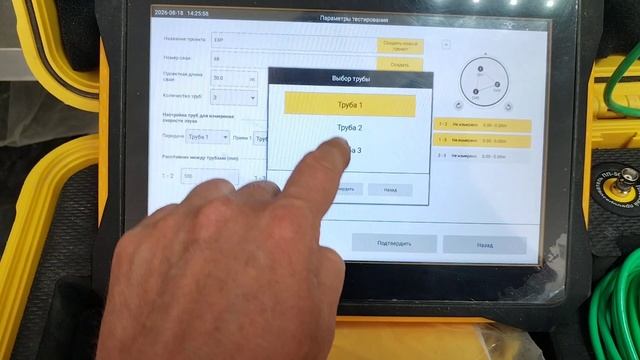
The MIT UZK MONOLIT 1-2K has two channels in its basic configuration. An additional reel turns it into a three-channel instrument, speeding up work on site. Laboratory head Denis Vorobyev demonstrates field operation and the advantages of two and three channels.
MIT UZK MONOLIT 1-2K: two and three channels in the fieldRutube
VideoRutube
MIT UZK MONOLIT 1-2K: two and three channels in the field
The MIT UZK MONOLIT 1-2K has two channels in its basic configuration. An additional reel turns it into a three-channel instrument, speeding up work on site. Laboratory head Denis Vorobyev demonstrates field operation and the advantages of two and three channels.
MIT Armotrek and the nature of the magnetic method of locating reinforcement
ReinforcementConcreteReinforced concrete
MIT Armotrek and the nature of the magnetic method of locating reinforcement
The magnetic method of locating reinforcement and measuring concrete cover thickness. Physical principles and features of working with MIT Armotrek instruments.
Tools and workflow for processing MIT KIK 1-1k signals in the frequency domain
Pile testingSeismoacousticsConcrete
Tools and workflow for processing MIT KIK 1-1k signals in the frequency domain
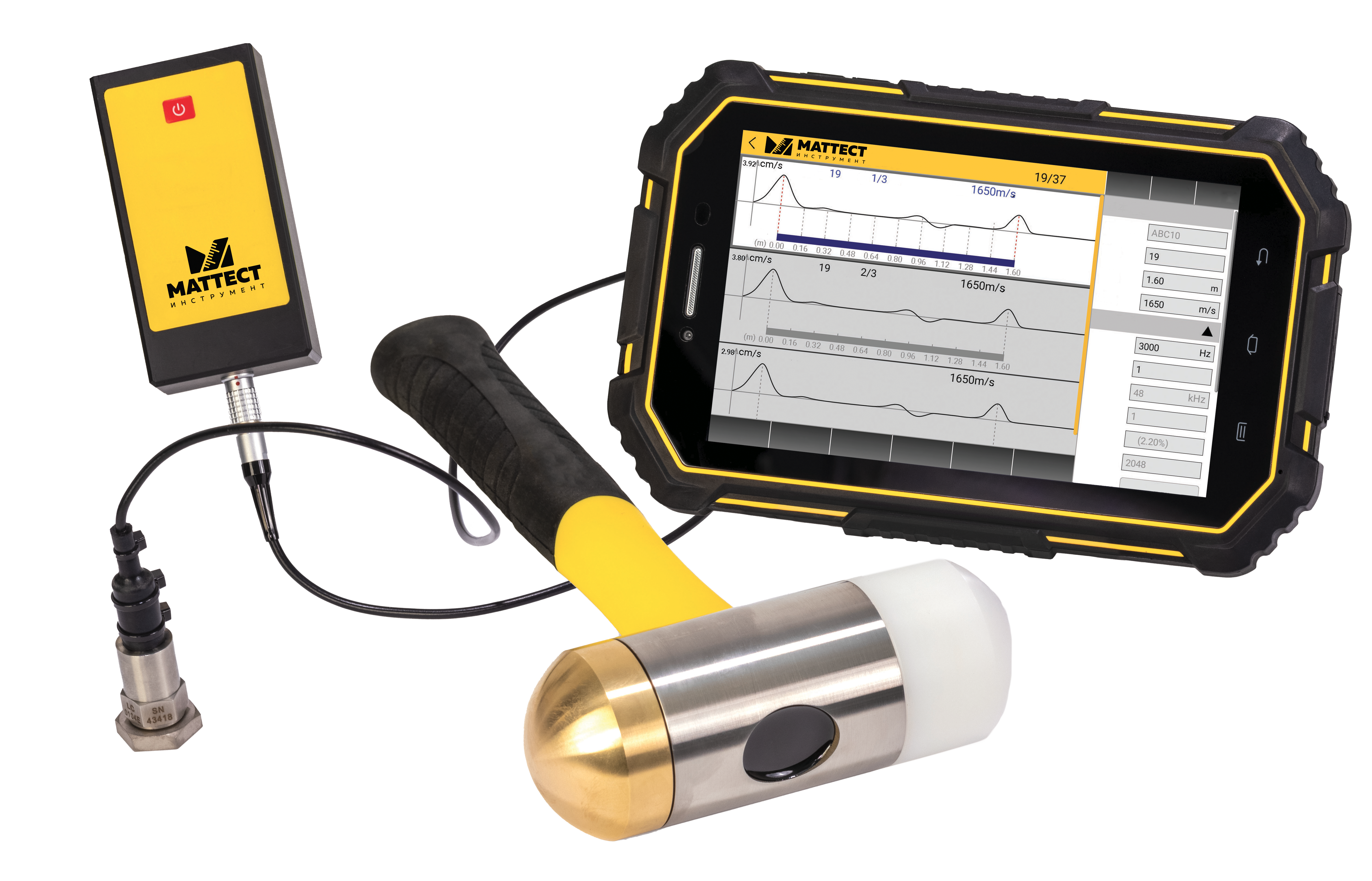
MIT KIK 1-1k signal processing in the frequency domain: start and end frequency, number of peaks, amplitude threshold and examples of spectrum analysis.
MIT KIK 1-1K — seismic-acoustic device for pile integrity testing
Pile testingSeismic-acousticGOST R 72171-2025+2
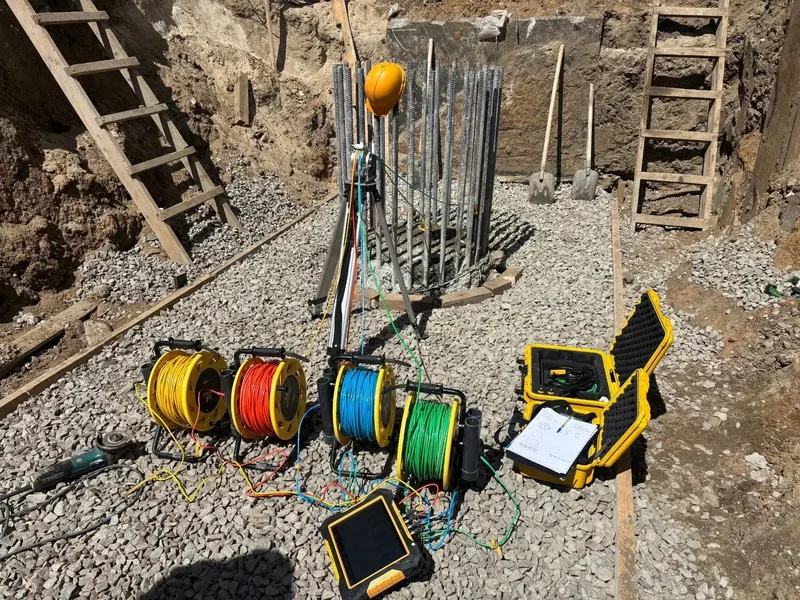
MIT KIK 1-1K: seismic-acoustic pile integrity testing — 8 stages of work
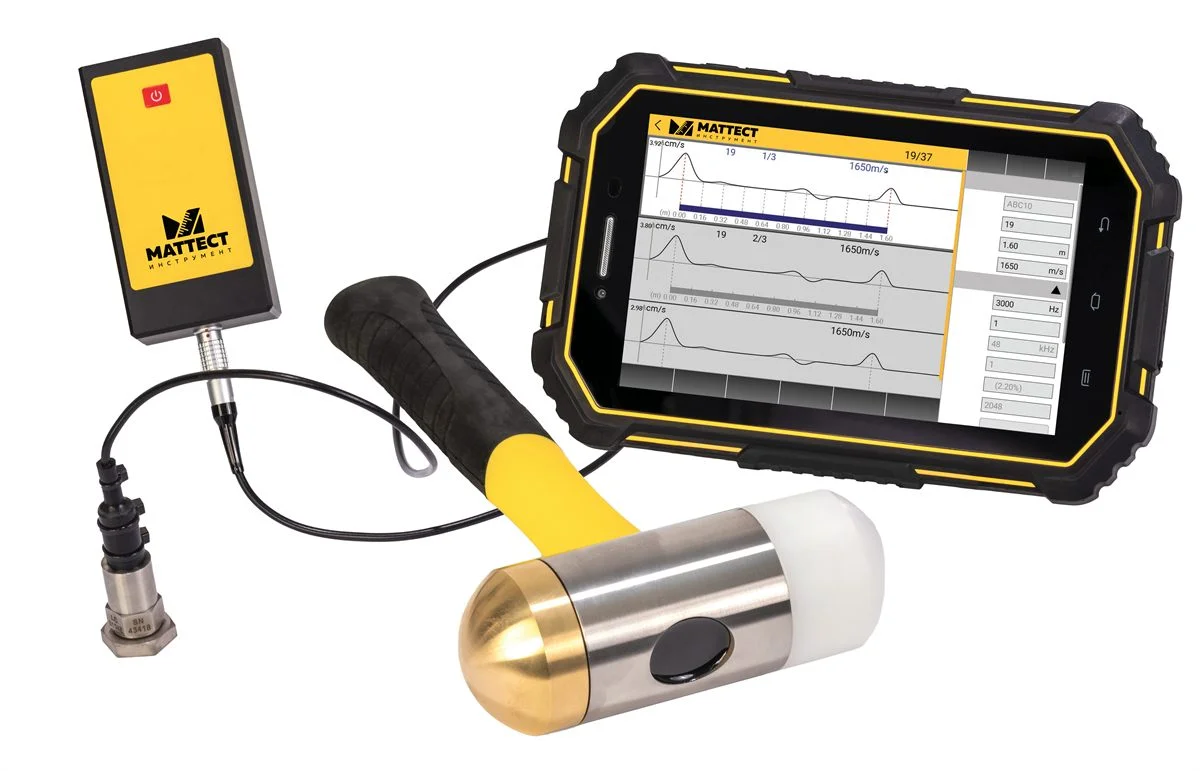
Full algorithm for express integrity testing of bored, driven and screw piles using the seismic-acoustic method (PIT) per GOST R 72171-2025 and PNST 804-2022 — from pile-head preparation to reflectogram analysis.
MIT STRIKE 225-1 — verification of calibration curve adequacy per GOST 22690-2015
Rebound hammerGOST 22690-2015Kc coefficient+2
MIT STRIKE 225-1: verification of the factory calibration curve adequacy
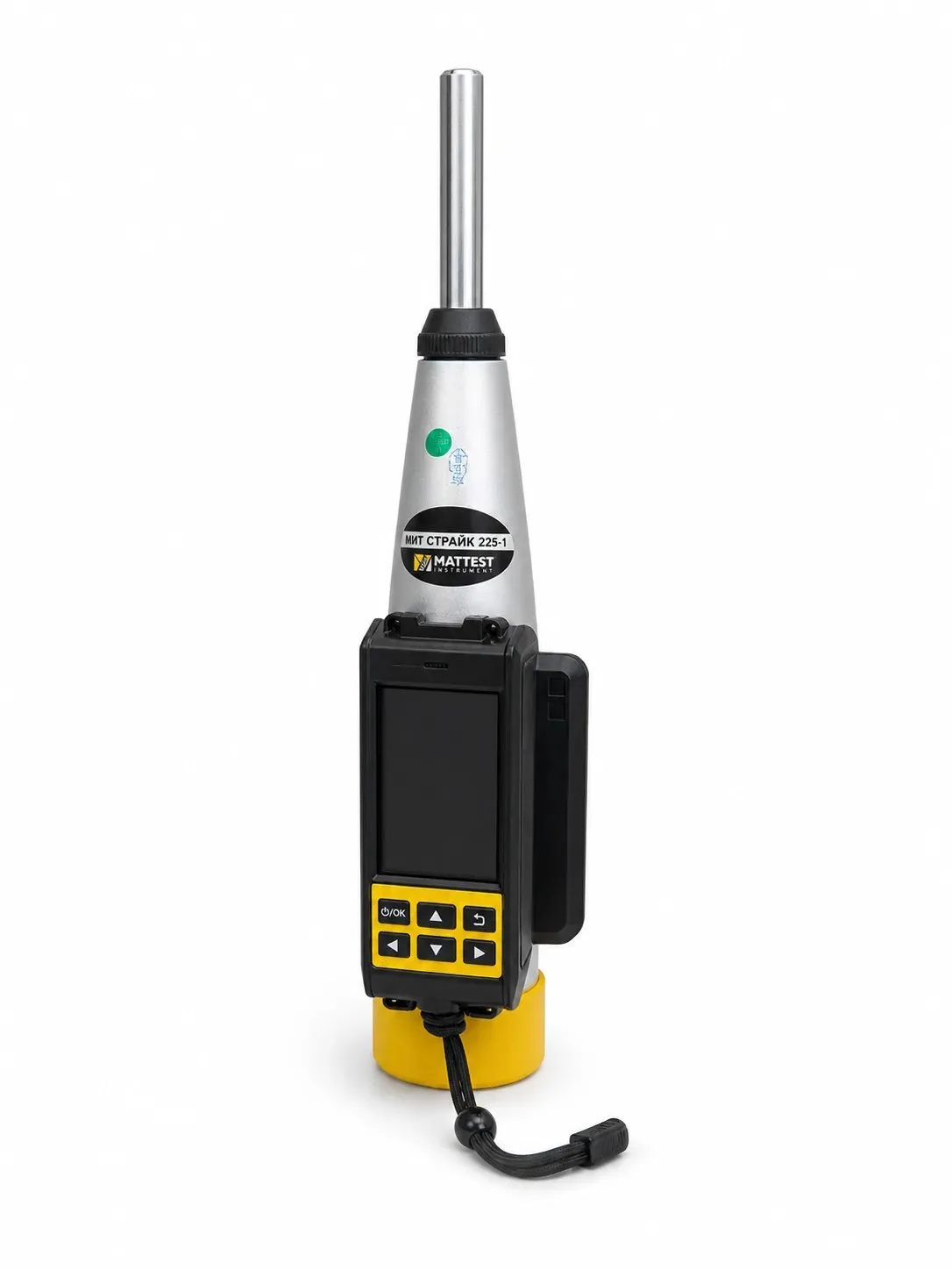
Multi-month parallel tests of the MIT STRIKE 225-1 digital rebound hammer (elastic rebound) and the pull-off method with ONIKS-OS on 34 concrete samples (B20-B35) in Crimea and Krasnodar Krai. Average Kc = 1.003.
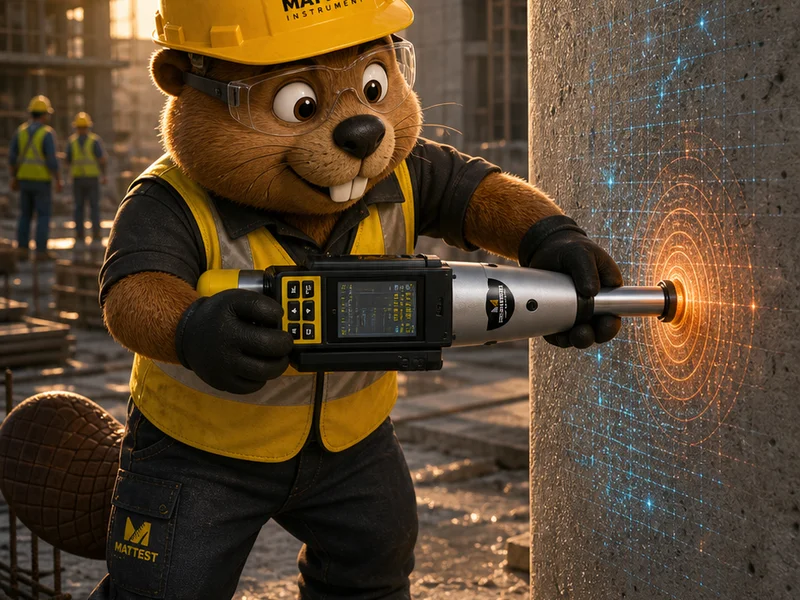
MATTEST beaver Rob with MIT STRIKE 225-1 rebound hammer on construction site
Rebound hammerGOST 22690-2015Schmidt hammer+2
History of Rebound Hammers: From Revolver to MIT STRIKE 225-1
How mechanical non-destructive testing methods for concrete strength evolved — from tapping with a hammer and Skramtaev's revolver method to the digital rebound hammer MIT STRIKE 225-1 per GOST 22690-2015 with 2.207 J impact energy.
MIT UZK MONOLITH — ultrasonic integrity testing of bored piles on site
CSL pilesIQR methodGOST R 71039+2
Alternative Statistical Processing Algorithm for Ultrasonic Pile Testing
Universal IQR-based (interquartile range) algorithm applicable to any ultrasonic pile testing device. Compatible with GOST R 71039-2023: quartiles Q₁/Q₂, inner/outer barriers, median as V_avg, significant anomaly criteria.
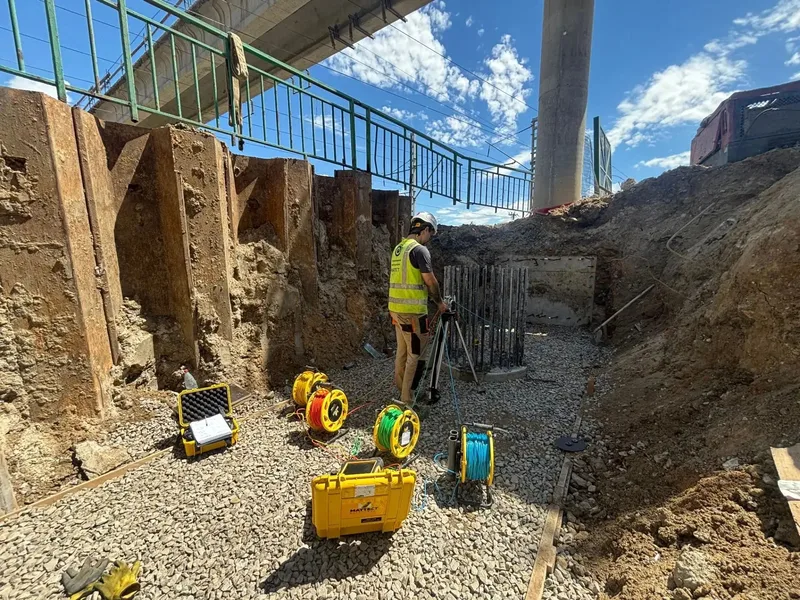
MIT UZK MONOLITH 1-4K — ultrasonic pile integrity testing on site
CSL pilesGOST R 71039Statistics+2
Statistical Processing Algorithm for Pile CSL Data in MIT UZK MONOLITH
How MIT UZK MONOLITH automates probabilistic-statistical assessment of concrete pile integrity per JGJ 106-2014 and GOST R 71039-2023: formulas, λ coefficient table, PSD criterion, defect point highlighting in the software suite.
Laboratory testing of construction materials: a complete overview of services and methods per GOST
Laboratory testingGOSTConstruction materials+2
Laboratory testing of construction materials: a complete overview of services and methods per GOST
A comprehensive overview of laboratory testing of construction materials per Russian standards. A detailed description of methods, the regulatory framework and practical application for ensuring construction quality.
Geotechnical studies of pile foundations: modern approaches and equipment
PilesGeotechnicsFoundations+2
Geotechnical studies of pile foundations: modern approaches and equipment
Static probing, dynamic testing, non-destructive testing of piles. Compliance with SP 24.13330.2021. Modern equipment and methods.
Searching for rebar in concrete: rebar detector, reinforced-concrete maintenance
RebarDetectorsReinforced concrete+2
Searching for rebar in concrete: rebar detector, reinforced-concrete maintenance
Searching for rebar in concrete: non-destructive testing methods, rebar detectors, inspection of reinforced-concrete structures. Professional concrete-scanning technologies.
SaaS services for the construction industry: digital transformation of laboratories
Lab softwareConstructionDigitalisation+2
SaaS services for the construction industry: digital transformation of laboratories
Lab automation, project management, integration with equipment. Mattest Cloud, ULAB, 1C:LIMS. Digital transformation of the construction industry.
High-precision concrete-testing instruments: new quality standards
ConcreteQuality controlGOST+2
High-precision concrete-testing instruments: new quality standards
Ultrasonic flaw detectors, rebound hammers, testing presses. New 2018-2025 GOSTs require high-precision non-destructive concrete-testing methods.
Tensile testing machine: how to choose equipment for tensile testing
EquipmentTestingLaboratory testing
Tensile testing machine: how to choose equipment for tensile testing
A professional guide to choosing a tensile testing machine for mechanical tensile material tests, from a lead lab engineer with 17 years' experience.
Non-destructive testing of welds: review of methods and equipment
Non-destructive testingWeldsDefectoscopy+2
Non-destructive testing of welds: review of methods and equipment
Expert review of NDT methods for welded joints: VIK (visual and measurement), UT (ultrasonic), radiographic testing. Practical recommendations from an experienced defectoscopist.
Testing polymer materials: non-destructive methods and equipment
PolymersLaboratory testingGOST+2
Testing polymer materials: non-destructive methods and equipment
GOST, ISO, ASTM standards for polymers. Universal testing machines, hardness testers, NDT methods. Practical equipment-selection recommendations from specialists.
X-ray inspection in industry: applications and safety requirements
X-ray inspectionNon-destructive testingRadiation safety+2
X-ray inspection in industry: applications and safety requirements
X-ray inspection in industry: NDT methods, radiography of welds, radiation safety. Professional defectoscopy technologies.